
Garden Fertilizers for Plants: A Beginner’s Guide
Healthy plants need more than sunlight and water. They also need the right nutrients to grow, produce flowers and develop strong roots. This is where garden fertilizers for plants can help.
However, choosing the right fertilizer can feel confusing. You may have seen products such as potash, bone meal, NPK fertilizer and organic fertilizers in gardening stores. But what does each one actually do?
In this guide, we will explain the basics of plant fertilizers and show you how potash and bone meal differ. Most importantly, you will learn how to choose the right fertilizer for your garden without over-fertilizing your plants.
What Are Garden Fertilizers for Plants?
Garden fertilizers for plants provide nutrients that plants need for healthy growth. Plants require several nutrients, but nitrogen, phosphorus and potassium remain the three major nutrients found on most fertilizer labels.
You will often see three numbers on a fertilizer package, such as 10-10-10. These numbers indicate the amounts of nitrogen (N), phosphate (P) and potash (K) in the product.
Each nutrient performs a different job:
- Nitrogen (N): Supports leafy and vegetative growth.
- Phosphorus (P): Supports root development and important plant processes.
- Potassium (K): Helps with water regulation and several processes inside the plant.
Therefore, you should not choose a fertilizer simply because it says “plant food.” First, understand which nutrients your plants actually need.
Why Garden Fertilizers for Plants Matter
Plants naturally obtain nutrients from soil. However, repeated watering, plant growth and harvesting can gradually reduce available nutrients.
For example, vegetables remove nutrients from the soil when you harvest them. Similarly, plants growing in containers have a limited amount of soil available.
As a result, gardeners sometimes use fertilizers to supplement nutrients.
However, fertilizer should support good gardening practices rather than replace them. Healthy soil, adequate sunlight, proper watering and good drainage remain essential.
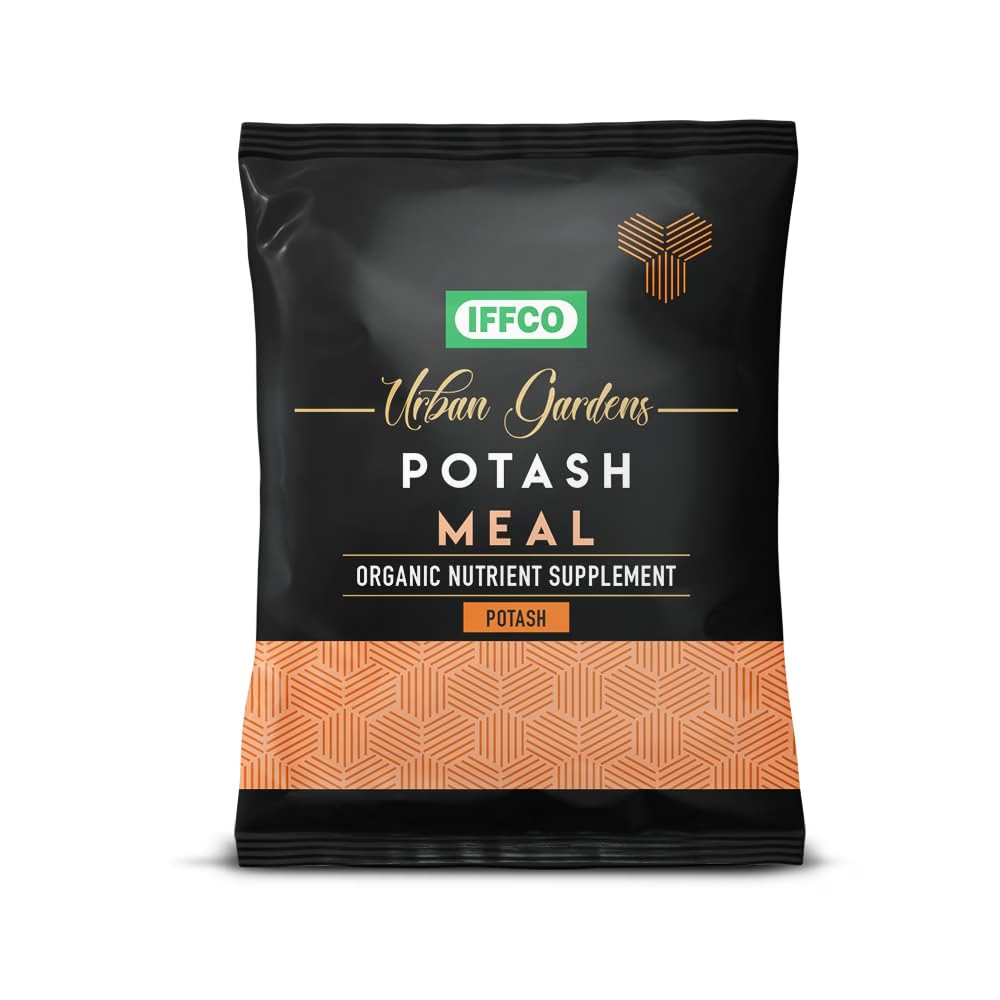
Potash in Garden Fertilizers for Plants
Potash is commonly used as a source of potassium. Potassium plays several important roles in plant growth and helps plants regulate water and carry out important internal processes.
Because potassium supports overall plant function, gardeners often consider potash when growing vegetables, flowers and fruiting plants.
What Does Potash Do for Plants?
Potassium contributes to several processes within plants. For example, it helps regulate water movement and supports enzyme activity.
In addition, potassium plays a role in photosynthesis and the opening and closing of stomata.
However, you should not assume that every plant needs extra potash. If your soil already contains enough potassium, adding more may not provide an advantage.
Therefore, check your soil and follow the fertilizer manufacturer’s instructions before applying potash.
When Should You Use Potash Fertilizer?
Consider potassium fertilizer when:
- A soil test indicates low potassium.
- Your fertilizer program specifically requires additional potassium.
- Your chosen plant or growing system has a known potassium requirement.
Most importantly, follow the recommended application rate. Using extra fertilizer does not automatically produce healthier plants.
Bone Meal in Garden Fertilizers for Plants
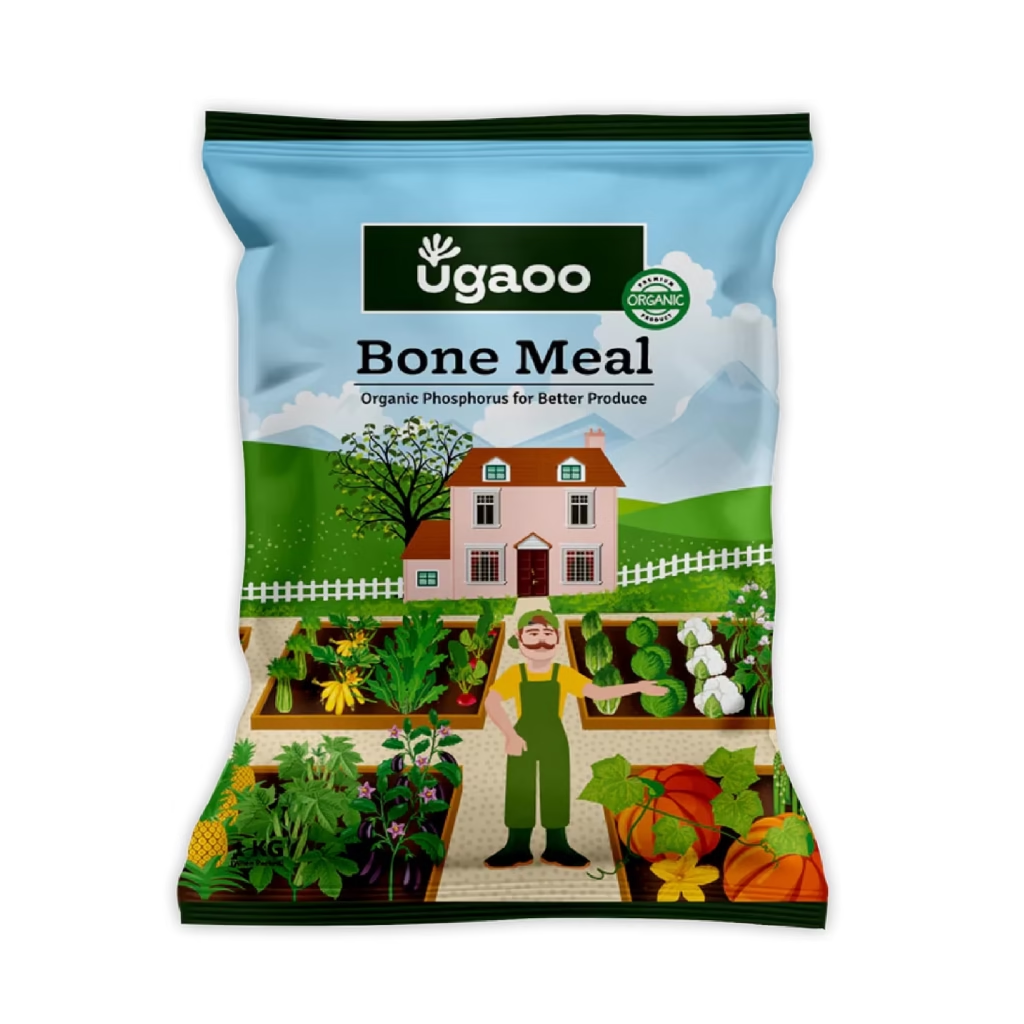
Bone meal is an organic fertilizer made from processed animal bones. Gardeners commonly use it as a source of phosphorus and calcium.
Phosphorus supports several important plant processes and contributes to root development. Therefore, bone meal can have a place in a balanced gardening program when the soil requires phosphorus.
However, bone meal does not work as a universal fertilizer for every plant.
What Does Bone Meal Do for Plants?
Bone meal primarily supplies phosphorus, although its exact nutrient content varies between products.
Gardeners often associate phosphorus with root development, flowering and fruit production. Nevertheless, adding additional phosphorus will not automatically make a plant produce more flowers or fruit if the soil already contains sufficient phosphorus.
For that reason, test your soil when possible before adding large amounts of bone meal.
How Should You Use Bone Meal?
Always check the product label first. Different bone meal products can have different nutrient concentrations and application instructions.
You should also avoid applying large quantities simply because the product is organic. Organic fertilizers still contain nutrients, and excessive nutrients can create imbalances in the soil.
Potash vs Bone Meal: Which Garden Fertilizer Should You Choose
Potash and bone meal serve different nutritional purposes. So, you should not treat them as interchangeable products.
| Fertilizer | Main Nutrient | Main Role |
|---|---|---|
| Potash | Potassium | Supports potassium nutrition and plant processes |
| Bone Meal | Phosphorus | Provides phosphorus and some calcium |
| Nitrogen Fertilizer | Nitrogen | Supports leafy growth |
| Balanced NPK | N, P and K | Supplies several major nutrients |
For example, if your soil needs potassium, bone meal will not replace a potassium fertilizer. Likewise, potash cannot replace a phosphorus source when your soil actually needs phosphorus.
Therefore, choose the nutrient first and the fertilizer second.
How to Choose Garden Fertilizers for Plants
Choosing fertilizer becomes much easier when you follow a simple process.
1. Understand Your Plant’s Needs
Different plants have different nutritional requirements. A vegetable garden may need a different fertilizer approach from indoor plants or flowering plants.
So, identify the plant before selecting a fertilizer.
2. Check Your Soil
Soil testing can help you understand the nutrients already available in your soil.
This step can prevent unnecessary fertilizer use. In addition, it can help you identify nutrients that your soil actually lacks.
3. Read the Fertilizer Label
Look at the NPK numbers and application instructions.
For example, a fertilizer with a higher potassium value provides a different nutrient balance from one with a higher nitrogen value.
Therefore, never choose a fertilizer based only on attractive packaging or a general claim such as “best fertilizer.”
4. Follow the Recommended Quantity
Finally, apply the fertilizer according to the manufacturer’s instructions.
Using more than recommended can create nutrient problems and may damage plants. More fertilizer does not mean more growth.
Common Mistakes When Using Garden Fertilizers for Plants
Even experienced gardeners can make fertilizer mistakes. Fortunately, most are easy to avoid.
Using Too Much Fertilizer
One of the most common mistakes involves over-fertilizing.
Gardeners sometimes believe that extra fertilizer will make plants grow faster. However, excessive nutrients can damage plants and create nutrient imbalances.
Instead, start with the recommended amount and adjust your approach only when you have a clear reason.
Fertilizing Without Identifying the Problem
Poor plant growth does not always mean a nutrient deficiency.
For example, inadequate sunlight, poor drainage, underwatering, overwatering, pests or unsuitable temperatures can also affect plant health.
Therefore, examine the entire growing environment before reaching for fertilizer.
Mixing Too Many Fertilizers
Using several fertilizers together can make it difficult to understand how much of each nutrient you are adding.
Instead, check the nutrient content of each product before combining them.
Ignoring Soil Health
Fertilizer alone cannot create a healthy garden.
Good soil structure, organic matter, proper drainage and suitable moisture all contribute to healthy plant growth. So, focus on the complete growing environment rather than relying only on fertilizer.
Organic Garden Fertilizers for Plants: Are They Always Better?
Organic fertilizers can provide useful nutrients and fit well into many gardening systems. Bone meal, compost and other organic materials are popular among home gardeners.
However, organic does not mean unlimited.
Organic fertilizers still contain nutrients. Therefore, you should use them according to plant and soil requirements.
In addition, different organic fertilizers provide different nutrients. Compost, bone meal and other organic products cannot necessarily replace one another.
So, understand the nutrient profile of the product before using it.
How to Build a Simple Fertilizer Routine
You do not need a complicated fertilizer routine to maintain a healthy garden.
Start by understanding your soil and plants. Next, identify whether they actually need additional nutrients.
Then choose a suitable fertilizer and follow its label instructions.
Finally, observe your plants over time.
Look at new growth, leaf development and overall plant health. However, avoid diagnosing nutrient deficiencies based only on leaf appearance because several different problems can produce similar symptoms.
A simple, measured approach usually works better than constantly adding different products.
Final Thoughts on Garden Fertilizers for Plants
Garden fertilizers for plants can play an important role in maintaining healthy growth, but the right fertilizer depends on the plant, soil and nutrient requirements.
Potash primarily supplies potassium, while bone meal mainly provides phosphorus and some calcium. Because they provide different nutrients, you should use them for different purposes.
Before applying any fertilizer, check the product label and consider testing your soil. Also, remember that fertilizer cannot replace sunlight, proper watering, good drainage and healthy soil.
Most importantly, avoid the idea that more fertilizer means healthier plants.
The best gardening approach focuses on balance. Give your plants the nutrients they need, in the right amount, at the right time. With this approach, you can build healthier soil and create a more productive and beautiful garden.
check out our more blogs :